Key Takeaways:
- Always review your mortgage agreement and get lender approval before renting out your property. This ensures compliance and avoids penalties.
- Convert your homeowner’s insurance to rental property insurance to cover potential rental activities and protect both you and your tenants.
- Make necessary upgrades, set competitive rent, and screen tenants carefully. Proper preparation ensures a smooth rental process and maximizes your investment.
Renting out your property while still paying a mortgage can seem tricky, but it doesn’t have to be. As a real estate agent with five years of experience, I've helped many homeowners navigate this process.
Whether you're looking to rent your house, or apartment, or even list it on Airbnb, understanding the key steps and considerations is crucial. This guide will break down everything you need to know, making it easier for you to make informed decisions and maximize your property's potential.
Let's dive in and simplify renting your mortgaged property!
Renting Your House with a Mortgage
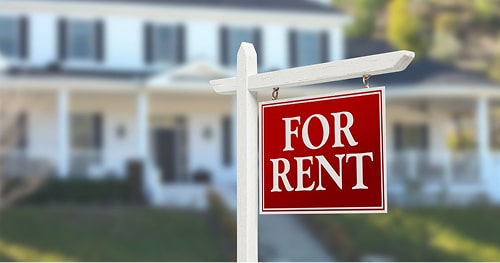
Check your mortgage agreement first. It might have clauses about renting. Some lenders need permission before you rent out your house.
Notifying Your Lender
Always tell your lender if you plan to rent. If you don't, you could face penalties or even foreclosure. Transparency is key.
Insurance Considerations
Your homeowner’s insurance won’t cover rental activities. Update your policy to rental property insurance to protect yourself and your tenants.
Legal and Financial Implications
Renting your house has tax consequences. Rental income is taxable, and you might face different deductions. Also, check local zoning laws to ensure you're allowed to rent.
Practical Steps
Prepare your home by fixing any issues and making it tenant-ready. Set a competitive rent price based on market rates. Finally, screen tenants carefully to ensure reliability.
By following these steps, you can smoothly rent out your house and make the most of your property investment.
Renting a Mortgaged House

Mortgage Types and Rental Possibilities
Renting a mortgaged house differs from owning it outright. Some mortgage types have restrictions on renting. Always check your loan terms first.
Lender’s Approval
Get your lender’s approval before renting. This usually involves filling out forms and providing documentation. Without approval, you risk breaching your mortgage contract.
Tenant Considerations
Find reliable tenants by conducting background checks and credit screenings. Draft a solid lease agreement to protect both parties.
Long-Term Considerations
Ensure rental income covers your mortgage payments. Consider hiring a property management service to handle maintenance and tenant issues.
By following these guidelines, you can successfully rent out your mortgaged house while staying compliant with your lender’s requirements. Learn more about renting out your house with a mortgage.
Renting an Apartment with a Mortgage
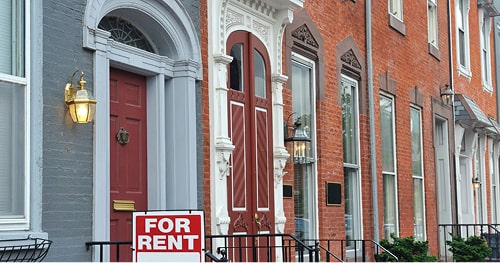
Balancing Multiple Properties
Managing both a mortgaged home and a rental apartment can be challenging. Create a financial plan to ensure you can handle mortgage payments and rental responsibilities. Stay organized to keep track of both properties' needs. Learn more about renting an apartment with mortgage here.
Finding Tenants
Market your apartment effectively through online listings and local advertisements. Screen potential tenants carefully to find reliable renters who will take care of your property.
Legal Obligations
Understand and follow local rental laws. Use a clear lease agreement to outline tenant responsibilities and protect your rights as a landlord.
Managing Income and Expenses
Budget for regular maintenance and unexpected repairs. Track rental income to ensure it covers all expenses, including your mortgage payments.
By effectively managing these aspects, you can successfully rent out your apartment while maintaining your financial stability.
Airbnb with a Mortgage
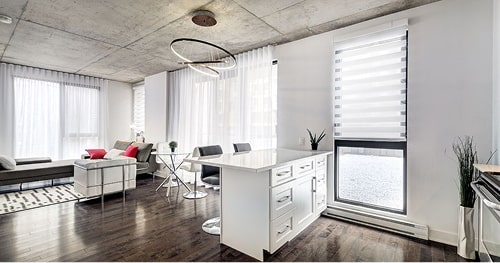
Short-Term Rental Market
Research the short-term rental market to understand its pros and cons. While Airbnb can be profitable, it requires more effort in terms of frequent guest turnover and maintaining high standards.
Lender and HOA Restrictions
Check your mortgage agreement and HOA rules for restrictions on short-term rentals. Some lenders and HOAs prohibit or limit Airbnb activities, so ensure you're compliant to avoid penalties.
Preparing Your Home
Make necessary upgrades to attract guests, such as comfortable furnishings and essential amenities. A well-prepared home receives better reviews and more bookings.
Managing Bookings and Guests
Create a detailed and appealing Airbnb profile. Communicate clearly with guests, set house rules, and ensure a smooth check-in and check-out process to maintain high ratings.
Insurance and Legal Considerations
Standard homeowner’s insurance often doesn’t cover short-term rentals. Get a specific short-term rental insurance policy and understand local laws and tax implications for Airbnb hosting.
By following these steps, you can successfully manage an Airbnb rental while adhering to mortgage and HOA requirements.
Related Post:
Discover Your First-Time Homebuyer Mortgage Options
How Hard Is It to Get a Mortgage?
Can a Trust Take Out a Mortgage?
Conclusion
Renting properties with a mortgage can be manageable with the right knowledge and preparation. We've covered key points, including checking your mortgage agreement, notifying your lender, updating insurance, understanding legal implications, and preparing your property for tenants or Airbnb guests.
By following these steps, you can confidently rent out your mortgaged home and maximize its potential. Always consult professionals for personalized advice to ensure you're making the best decisions for your unique situation. Happy renting!
Frequently Asked Questions (FAQs)
Q: What is an investment property?
A: An investment property is real estate purchased to earn a return on the investment, either through rental income, future resale, or both.
Q: How can I get a mortgage for an investment property?
A: To get a mortgage for an investment property, you'll typically need a higher credit score, a larger down payment, and proof of stable income. Lenders also often charge higher interest rates for investment property mortgages.
Q: How does the interest rate on an investment property mortgage compare to a primary residence mortgage?
A: Interest rates on investment property mortgages are generally higher than those for primary residences due to the increased risk associated with rental properties.
Q: What responsibilities does a property owner have?
A: A property owner is responsible for maintaining the property, paying property taxes, mortgage payments, and ensuring that the property complies with local laws and regulations.
Q: What is a rental property mortgage?
A: A rental property mortgage is a loan specifically designed for purchasing a property that will be rented out to tenants. These mortgages often have stricter requirements and higher interest rates compared to primary residence loans.
Q: What is an FHA loan?
A: An FHA loan is a mortgage insured by the Federal Housing Administration, designed to help first-time homebuyers and those with lower credit scores by offering lower down payment requirements and more flexible credit guidelines.
Q: What is a VA loan?
A: A VA loan is a mortgage option available to veterans, active-duty service members, and their families, backed by the U.S. Department of Veterans Affairs. It offers benefits like no down payment, no mortgage insurance, and competitive interest rates.
Q: Can I convert my primary residence into a rental property?
A: Yes, you can convert your primary residence into a rental property, but you need to notify your lender and adjust your insurance policy to cover rental activities.
Q: What is mortgage insurance and when is it required?
A: Mortgage insurance protects the lender in case the borrower defaults on the loan. It's often required for conventional loans with a down payment of less than 20%, and it's also a requirement for FHA loans.
Q: How does property tax affect rental properties?
A: Property taxes are a recurring expense that rental property owners must pay. These taxes can affect the overall profitability of the investment and should be factored into the rental pricing strategy.
Q: What are the benefits of making a larger down payment on an investment property?
A: Making a larger down payment can lower your monthly mortgage payments, reduce the overall interest paid over the loan term, and potentially secure a lower interest rate. It also increases your equity in the property, reducing the risk for lenders.
Q: How does the Federal Housing Administration support homebuyers?
A: The Federal Housing Administration (FHA) provides mortgage insurance on loans made by FHA-approved lenders, helping to make homeownership more accessible by offering loans with lower down payment requirements and more lenient credit criteria.