Key Takeaways:
- Trusts, both revocable and irrevocable, can secure mortgages if they meet specific legal criteria, such as recognized legal status, sufficient solvency, and explicit authorization in the trust agreement for incurring debt.
- Trusts holding properties can offer significant advantages, including asset protection from creditors, potential estate tax benefits, and streamlined estate planning that avoids probate processes.
- Trustees play a critical role in managing a trust's mortgage by ensuring the trust's income supports the payments, negotiating favorable loan terms, and maintaining compliance with all mortgage-related obligations.
Navigating the intersection of trusts and mortgages can seem daunting, but understanding your options is crucial, especially if you're planning for the future of your estate. As a real estate agent with five years of experience, I've helped many clients resolve their confusion about whether a trust can secure a home loan.
This guide offers straightforward explanations of how trusts interact with home loan processes, aiming to make these complex topics accessible and manageable.
>> Related Post: How hard is it to get a mortgage?
Introduction to Trusts and Mortgages
What is a Trust?
A trust is a legal arrangement where a trustee manages assets for the benefit of another party, known as the beneficiary. The settlor creates the trust and sets the rules for how and when assets are distributed to beneficiaries.
Overview of Mortgages in the Context of Trusts
Trusts can secure mortgages to purchase or refinance property, which differs from individual loans as the trust holds and manages the debt. This arrangement requires strict adherence to legal and financial guidelines for the trust's assets.
Why This Topic is Crucial for Estate Planning
Incorporating trusts in estate planning allows strategic asset management, potentially leading to significant financial and tax benefits, enhanced asset protection from creditors, and avoidance of probate processes.
Understanding Trusts: Revocable vs. Irrevocable
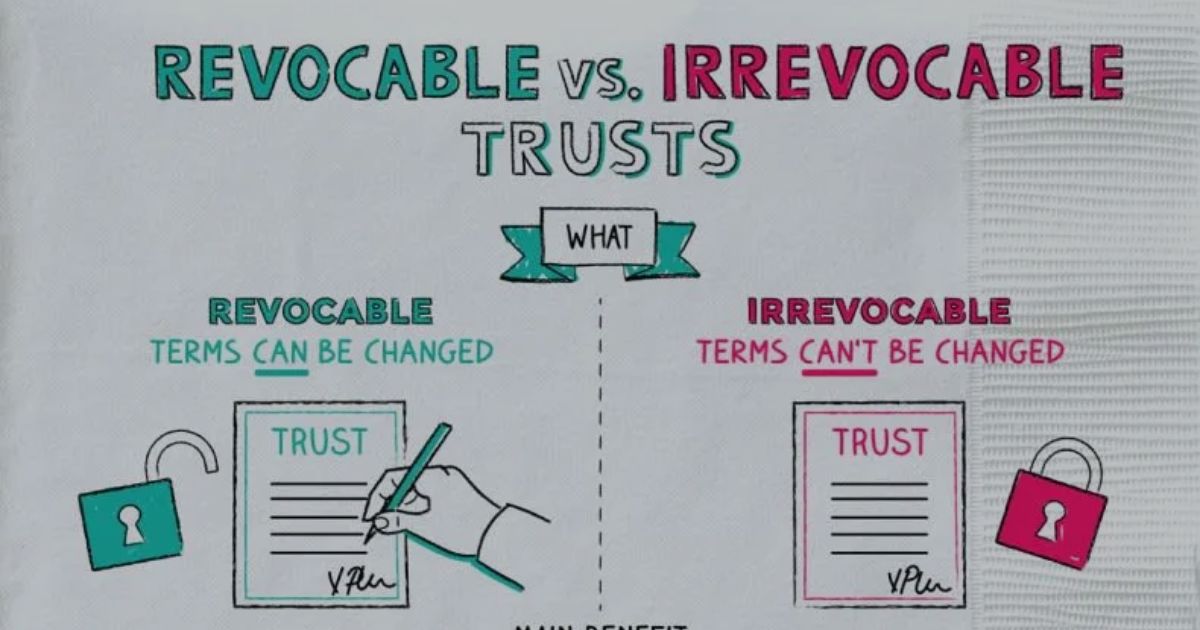
Types of Trusts
These are flexible and can be modified or terminated by the settlor during their lifetime, allowing control over assets and adaptability to changing circumstances.
Once established, these cannot be altered. They remove the legal ownership of assets from the settlor, offering strong asset protection and tax advantages due to the assets no longer being part of the settlor's taxable estate.
Why Choose an Irrevocable Trust?
Choosing an Irrevocable Trust usually involves seeking significant tax advantages or protecting assets. Since the assets are no longer in the creator's possession legally, they aren't subject to estate taxes or claims from creditors. This makes irrevocable trusts excellent for safeguarding a family’s financial future.
Benefits:
- Tax Advantages: Assets in an irrevocable trust are no longer part of the settlor's estate, potentially reducing estate taxes.
- Asset Protection: Assets are shielded from creditors and legal judgments against the settlor, providing security for beneficiaries.
Limitations:
- Loss of Control: The settlor gives up control over the assets and cannot change the trust terms after its creation.
- Complexity: These trusts are more complex to set up and manage, often requiring professional assistance.
Why Choose a Revocable Trust?
Revocable Trusts are popular because they offer control and flexibility. The creator retains to manage the assets and can alter the trust's terms at any point during their lifetime. This type is ideal for those who want to adjust as their financial situations or personal preferences change.
Additionally, these trusts can help avoid the costs and delays of probate, allowing a smoother transition of assets to beneficiaries upon the creator's death.
Benefits:
- Flexibility: The settlor can modify the trust terms anytime to accommodate changing needs or circumstances.
- Probate Avoidance: Upon the settlor's death, assets in the trust bypass the probate process, allowing for quicker distribution to beneficiaries.
Limitations:
- Limited Asset Protection: Since the settlor retains control, assets in the trust may still be subject to creditors and estate taxes.
- Temporary: The trust becomes irrevocable upon the settlor’s death, at which point the terms cannot be altered.
Each type of trust serves different purposes and needs, making it crucial to choose based on personal circumstances, financial goals, and the level of control desired over the trust’s assets.
Eligibility of Trusts for Mortgages
General Eligibility Criteria for Trusts
To obtain a mortgage, trusts must meet specific criteria:
- Legal Capacity: Must be legally capable of holding and managing real property.
- Solvency: Sufficient assets and income to cover mortgage payments.
- Trust Agreement: Must explicitly permit incurring debt and holding real property.
- Trustee Authority: Trustees need the legal power to enter into loan agreements on behalf of the trust.
Can an Irrevocable Trust Get a Mortgage?
Yes, an Irrevocable Trust can secure a mortgage, provided it meets lender requirements. These trusts are often seen as stable because they cannot be altered after their creation, which might appeal to lenders.
However, the trust must have the authority to borrow, and the income within the trust must be sufficient to handle the loan payments. Learn how to place a mortgaged property in an irrevocable trust here.
Specific Conditions:
- Lender Approval: Lenders typically require a thorough review of the trust agreement to ensure it allows for such financial arrangements.
- Stable Income: The trust needs to demonstrate that it has a reliable source of income to cover the home loan payments, often from the trust's assets or investments.
Example:
An irrevocable trust established by a family with rental properties managed to secure a home loan to expand their real estate portfolio. The trust's consistent rental income assured the bank of its ability to meet payment obligations.
Can a Revocable Trust Get a Mortgage?
Yes, Revocable Trusts can obtain mortgages. Lenders typically require more scrutiny because the settlor can alter the trust terms.
Key considerations for approval include verifying that the trust has the power to hold and manage real estate, along with adequate assets and income to support the home loan payments.
Specific Conditions:
- Flexibility with Lenders: As revocable trusts can be altered, lenders might be more willing to negotiate terms as the settlor is still alive and can manage trust affairs.
- Solvency and Assets: Similar to irrevocable trusts, demonstrating solvency is crucial. The assets within the trust should be robust enough to assure lenders of the trust's financial health.
Example:
A revocable trust where the settlor owned a large portfolio of stock investments and successfully obtained a mortgage to purchase a residential property. The trust's strong financial standing and the settlor's ongoing involvement provided confidence to the lender.
Process of Obtaining a Mortgage Through a Trust
Initial Steps to Apply for a Mortgage Through a Trust
What Trustees Need to Know:
- Assess Trust Documents: Ensure the trust deed permits borrowing and handling of real estate. This is the foundational step before engaging with lenders.
- Choose the Right Lender: Not all lenders are familiar with or willing to deal with trusts. It’s crucial to identify financial institutions with experience in this area.
- Prepare Financial Statements: Trustees must gather and prepare all relevant financial documents to demonstrate the trust's income and stability. This often includes asset valuations, income sources, and existing liabilities.
Documentation and Legal Requirements
Necessary Paperwork and Legal Hurdles:
- Trust Agreement: A copy of the trust agreement must be provided to verify the trust's terms and the trustees’ powers.
- Title Documents: For property already owned by the trust, title documents must ensure no legal impediments.
- Financial Records: Detailed financial records showing the trust’s income and assets are essential.
- Legal Compliance: Depending on jurisdiction, specific legal requirements might need to be met, such as trustee resolutions authorizing the mortgage application.
Role of Trustees in the Mortgage Application Process
Their Responsibilities and Obligations:
- Act in Beneficiaries' Best Interest: Trustees must ensure that taking out a mortgage is in the best interest of the beneficiaries, aligning with the trust purpose.
- Manage Risk: Evaluate and manage the risks associated with taking on debt, ensuring that it doesn’t jeopardize the trust’s assets or objectives.
- Negotiate Terms: Trustees should negotiate mortgage terms that favor the trust’s financial situation, considering the interest rates, repayment terms, and potential penalties.
- Ongoing Management: After securing the mortgage, trustees are responsible for ongoing management of the home loan payments and compliance with the mortgage terms.
Managing a Mortgage Within a Trust
Who Pays the Mortgage on a House in a Trust?
When a trust holds a property with a mortgage, the trust is responsible for the payments. The funds used to pay the home loan come from the trust’s assets, managed by the trustee. The trust must have adequate income or assets to cover these payments to avoid property risk.
Can You Put a House in Trust with a Mortgage?
Yes, you can place a house with an existing mortgage into a trust. However, this requires approval from the lender. The process often involves reviewing the trust documentation to ensure the transfer does not violate the mortgage terms, particularly looking out for any 'due on sale' clauses that might require the home loan to be paid in full upon transfer.
Procedures and Implications:
- Approval from Lender: Before a mortgaged property can be transferred into a trust, the lender’s approval is usually required. This might involve reviewing the terms of the trust to ensure they align with the lender’s requirements.
- Change of Title: The property title must be legally transferred to the trust, which can involve several legal steps and potential fees.
- Insurance and Liability: Ensuring the property remains insured and managing any liabilities that might arise from the property are crucial considerations for the trustee.
Can You Put a Mortgaged House in a Trust?
Placing a mortgaged house into a trust is also feasible. The key steps include obtaining consent from the lender and ensuring that the trust deed authorizes such transactions. This helps maintain the legal and financial integrity of the trust while safeguarding the property for beneficiaries.
Legal and Financial Considerations:
- Due on Sale Clause: Many mortgage agreements contain a due on sale clause that could require the full repayment of the loan if the property is transferred. Trustees need to negotiate with lenders to avoid triggering this clause.
- Continued Compliance: After transferring the property, the trust should comply with all mortgage terms, including payment schedules and property maintenance requirements.
- Legal Documentation: Proper documentation and adjustments to the trust deed may be required to reflect the inclusion of the property and its associated liabilities.
Implications for Tax and Estate Planning
How Mortgages in Trusts Affect Taxes and Estate Planning:
- Estate Tax Benefits: By holding a mortgaged property in a trust, the overall value of an individual’s estate may be reduced, potentially lowering estate taxes due upon their death.
- Interest Deduction: Trusts deduct mortgage interest similarly to individuals, depending on how the trust is structured and taxed.
- Asset Protection and Continuity: Placing a mortgaged property in a trust can protect the asset from probate and ensure it is passed directly to beneficiaries, according to the terms set out in the trust, without public disclosure.
Related Post: Can You Rent Your Home with a Mortgage? Learn How
Final Thoughts
Navigating trusts and mortgages can seem complex, but understanding your options is key to effective estate planning. This guide has shown that revocable and irrevocable trusts can secure mortgages under certain conditions, each offering different asset management and protection.
Whether you're looking to safeguard your estate or manage financial assets more efficiently, knowing how trusts interact with mortgages will help you make informed decisions. Use this information to strategize wisely, ensuring your estate is well-prepared for the future.
Frequently Asked Questions (FAQs)
What is a trust loan?
A trust loan is a type of loan that is secured by assets held in a trust.
How does a trust loan work?
A trust loan is obtained by leveraging the assets held in a trust as collateral to secure the loan.
What is an irrevocable trust loan?
An irrevocable trust loan is a loan that is secured by assets held in an irrevocable trust, which cannot be altered or revoked by the grantor once it is established.
Can a trust obtain a mortgage or loan?
Yes, a trust can apply for and obtain a mortgage or loan using the assets held in the trust as collateral.
What is a living or revocable trust?
A living or revocable trust is a type of trust that can be altered or revoked by the grantor during their lifetime.
What are mortgage loans to irrevocable trusts?
Mortgage loans to irrevocable trusts are loans secured by real estate assets held in an irrevocable trust.
Can a trust property be reassessed for property tax purposes?
Yes, a trust property may be subject to reassessment for property tax purposes, especially after certain events such as a change of ownership.
What is a lender in the context of mortgages?
A lender is a financial institution or individual that provides funds for a mortgage, expecting the borrower to repay the amount with interest over an agreed period.
Who is a beneficiary in terms of a trust?
A beneficiary is a person or entity that benefits from a trust's assets according to the terms set by the trustor.
What does it mean when a property is held in a trust?
Property held in a trust is owned by the trust and managed by a trustee who administers the trust's beneficiaries.
How does one make a trust loan request?
A trust loan request involves submitting a formal application to a lender that includes details of the trust and the reason for borrowing and supporting financial documents.
What triggers a property tax reassessment?
A property tax reassessment can be triggered by events such as a change in ownership, significant alterations, or improvements to the property.
Who typically provides loans to trusts?
Trust loan lenders often include specialized financial institutions and private lenders that offer tailored loans based on the trust’s assets and income.
Can a mortgage be taken out on a property held in a trust?
Yes, a mortgage can be secured on a property held in a trust, provided the trust agreement allows for such financial liabilities.
What is an inter vivos trust?
An inter vivos trust is a living trust established by the trustor during their lifetime to manage assets before and after death.
Can a mortgage be placed on a property in a revocable trust?
Yes, properties held in a revocable trust can have mortgages placed on them, with the trust being responsible for the mortgage.
Can lenders provide loans to an irrevocable trust?
Yes, lenders can provide loans to an irrevocable trust if they demonstrate adequate income or asset security to meet loan obligations.
What considerations are important when lending money to an irrevocable trust?
Lenders must assess the trust's ability to repay and the legal restrictions within the trust documents when lending money to an irrevocable trust.